
Upholstery Cleaning in Graz
Team
Payment
What is included in the service?
- Sofas and armchairs upholstery cleaning (incl. pillows);
- Chair and stool upholstery cleaning;
- Stain Removal: Tackling tough stains like food, drink spills, and pet accidents.
- Odor Neutralization: Removing unpleasant odors trapped in the fabrics.
How it works?
How long does the service take?
How long does it take for upholstery to dry?
How often should I wash the upholstery?
What's the expected end result?

Sofa & upholstery cleaning prices in Graz
Transparent prices from cleaning companies serving Graz, fixed at the time of booking. The service is performed at the customer's home — no need to transport the furniture.
- 1 sofa seat from 6.1 €
- 1 armchair from 5.2 €
- 1 chair from 7.8 €
- 1 mattress up to 100cm from 21.8 €
- 1 mattress over 100cm from 39.2 €
- 1 carpet up to 6m2 from 17.4 €
Prices are indicative, based on the lowest available offer from companies serving Graz. The exact price for your sofa is confirmed at the time of booking.


How is the service performed?
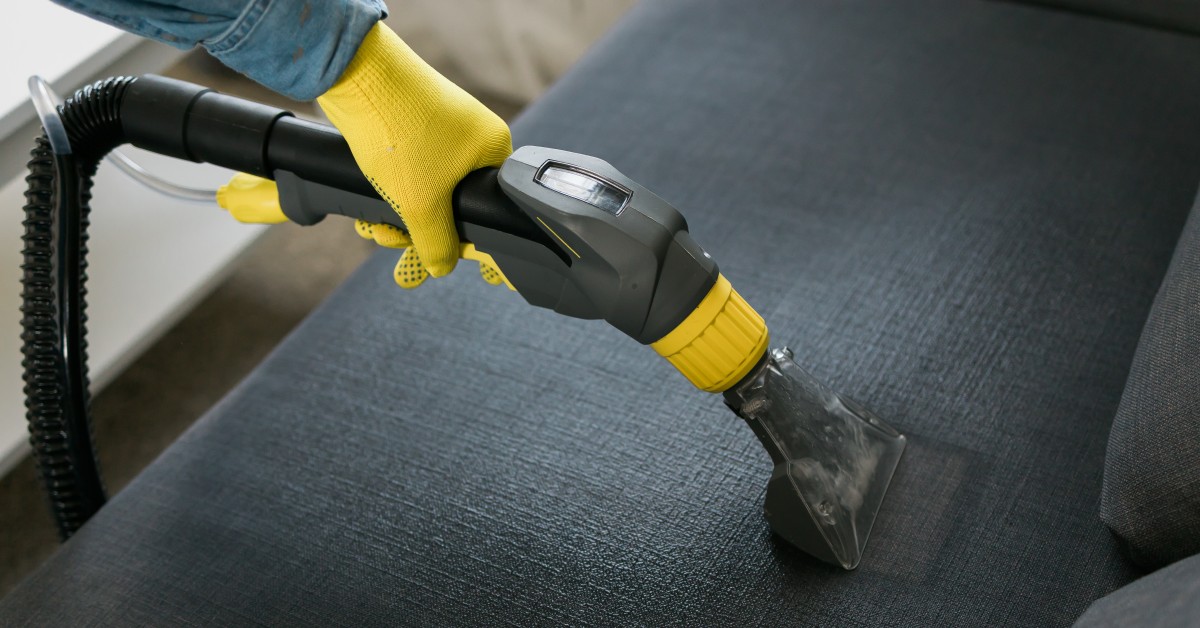
This service is designed to provide visible results without complications or travel. The entire process is performed at home, using equipment that combines hot water, professional detergent, and powerful suction. The goal is to remove dirt without excessive wetting or damaging the fibers.
The standard procedure includes:
- Evaluation of the type of upholstery and visible stains The technician inspects the fabric, paying attention to its feel and texture, detecting stains, sensitive areas, or fragile seams and adapting the cleaning method to the furniture. Materials such as leather, microfiber, linen, or velvet are also identified, allowing for the selection of safe and effective products. This phase ensures that the cleaning process does not cause discoloration or deformation.
- Deep initial aspiration Dust accumulated on the surface and inner layers of the padding is removed to prevent it from becoming damp during the process. Vacuuming includes areas such as folds, seams, gaps between cushions, and the sides of the furniture. This preparation improves detergent absorption and prevents the formation of mud or new stains during wet cleaning.
- Application of specific detergent according to the material A chlorine-free solution is used, quick-drying detergent that removes stains from upholstery without leaving residue or altering colors. The product is sprayed evenly and left to act for a few minutes to break down grease, odors, and organic substances. The detergents are hypoallergenic and approved for use in homes with children or pets.
- Injection and extraction cleaning or steam cleaning The system sprays and suctions simultaneously, penetrating deep into the fibers to extract dirt, dust mites, grease, and old liquids. In some cases, high-temperature steam cleaning is used to disinfect and revive colors without harsh chemicals. This step eliminates germs and neutralizes odors without soaking the furniture, which speeds up drying time.
- Drying and final inspection Quality control is performed, any remaining residue is removed, and drying is accelerated with natural or forced ventilation if necessary. The technician checks seams, edges, and frequently touched areas to ensure the upholstery is completely clean and ready for use. Maintenance recommendations are also provided, along with suggested dates for the next professional cleaning..
This protocol applies to a wide variety of furniture: from armchairs, sofas, and chairs to mattresses, cushions, and upholstered headboards. It is also possible to request upholstery cleaning for cars, conditions permitting.
Direct benefits of professional upholstery cleaning
Upholstery cleaning on a regular basis not only beautifies your furniture, but also prolongs its lifespan and protects the health of your household members. Here's how upholstery cleaning makes a difference:
- Eliminates mites and bacteria Fabrics accumulate millions of microorganisms. Professional cleaning eradicates them using bactericidal products and techniques such as steam cleaning, ideal for disinfecting without harsh chemicals.
- Tough Stain Removal Advanced techniques allow you to remove upholstery stains such as wine, coffee, blood, or pet marks without altering the original color or damaging the material.
- Odor neutralization Body sweat, smoke, or humidity cause persistent unpleasant odors. Odors are neutralized with enzymatic products that perfume and eliminate the source of the odor.
- Specialized care by fabric type Whether velvet, linen, cotton, leather, or microfiber, each upholstery item delivered to your home receives a treatment tailored to its technical characteristics.
- Fast, residue-free drying Thanks to the injection and extraction method, the furniture remains slightly damp and is ready to use again in just a few hours, without the risk of mold or retained moisture.
In addition, professional cleaning is ideal for homes with pets, children, or people with allergies. The accumulation of fine dust and hair on fabrics is imperceptible to the eye, but it triggers reactions that affect respiratory health and sleep quality.
Frequently Asked Questions
How much does sofa cleaning cost?
Pricing depends on the sofa type and number of seats — two-seat, three-seat, or corner. The exact price is fixed during booking and does not change.
Do you clean corner sofas?
Yes. Corner sofas are cleaned in full, including the chaise section and removable cushions. Each section is treated separately based on its level of soiling.
Do you clean sofas at the customer's home?
Yes. The service is performed on-site at the customer's home — no need to transport the furniture.
How long does sofa cleaning take?
Typically 30–60 minutes of on-site work per sofa. Drying takes 4–8 hours depending on ventilation and fabric type.
What is the price?
Each company sets its own prices. For the first time in Domestina, companies are in direct competition, their offers are visible on one screen. This enables users to get the best deal for the work they need.
Does the weather have to be warm to book the service?
Absolutely not necessary. After treatment, the surfaces remain slightly moist and dry out in a matter of hours depending on how dirty the upholstery was. Of course, in warm weather, the upholstery will dry out a bit faster, but it's only a matter of a few hours difference.
How long does it take for the upholstery to dry?
The drying time depends on the fabric type, the level of dirt, and room ventilation, but in most cases, upholstery dries within 6 to 12 hours after cleaning. If needed, you can speed up the drying process by increasing air circulation, such as by opening windows or using fans.
How to select a cleaning company?
Domestina marks the best choice for your cleaning with the Recommended Choice badge. Based on multiple criteria that are an expression of persistency, professionalism and expertise and cost, the platform identifies the best choice for your cleaning.
Can all types of upholstery be cleaned?
Yes, most types of upholstery fabrics can be cleaned using professional equipment, including delicate materials like velvet or silk. However, it’s essential to communicate any specific fabric care instructions or concerns with the cleaning company when booking. They will adjust their approach accordingly to ensure safe and effective cleaning.
Is stain removal included in the service?
Yes, stain removal is part of the standard service. The professional equipment used by Domestina's cleaning companies is designed to treat common stains from food, drinks, and pets.
Do all stains disappear?
Although our technology is among the best, there are so-called 'permanent damages' — when the stain has altered the structure or color of the fiber itself (for example, hair dye or bleach). In 90% of the remaining cases, the result is complete removal.
Is the cleaning safe for pets?
Yes. Our methods are entirely safe. It is only important to restrict pets' access to the furniture until it dries completely, to avoid them tracking in dust with their paws.
Can leather be washed?
Yes, Domestina offers specialized cleaning for genuine leather as well, but the method is manual and involves professional conditioning balms rather than extraction.
How do I prepare before the team arrives to clean my sofa?
It is ideal to clear the area around the sofa (side tables, fragile objects) and gather personal belongings from the cushions/seat. This way, the team can work more efficiently and without interruption.
What do I do if I have an old stain and I don't know what it is?
When booking, mention that the stain is old and, if possible, describe the type of stain (greasy, colored, sticky). Even without certainty, this information helps the team to approach the stain more carefully and choose an appropriate working strategy.
Is it recommended to air out or use a fan after cleaning?
Yes. Airing out and air circulation are the simplest methods to speed up the drying process and reduce the feeling of residual humidity in the room.
Can I stay home during work?
Yes, it is usually recommended that someone be home for quick access and communication (for example, if there are sensitive areas or furniture preferences).
What do I choose: spot cleaning (just the sofa) or do I also include chairs/stools?
If you have upholstered chairs/stools in the same room and they show similar wear, it is worth including them in the same booking for a uniform result of the entire area (especially when the items are used together, daily).
How do I keep my sofa clean for longer after cleaning?
A simple habit is to periodically vacuum the sofa (including between the cushions), as well as immediately treat incidents (by dabbing, without aggressive rubbing). This reduces the accumulation of dirt in the material and maintains its appearance between two professional cleanings.
Can I sit on the couch while it's still slightly damp?
It's better to wait until the couch is completely dry. This protects the fabric and prevents new pressure marks or odors from forming.
How can I tell if a stain treatment was successful?
The final result is best visible after drying. Some stains appear more noticeable while damp and fade once the upholstery is dry.
Why does the couch sometimes smell odd even though it looks clean?
Odors often come from residues deep within the fabric — for example, from moisture, body contact, or organic particles. Professional odor neutralization targets areas that regular airing cannot reach.
What should I do if slight odors return after a few days?
In rare cases, odors can come back if the couch was heavily soiled deep down or if drying was too slow. Good ventilation after cleaning is therefore especially important.
Does couch cleaning help in households with allergy sufferers?
Regular cleaning can be helpful because dust and fine particles are removed from the fabric. For severe symptoms, additional attention to regular ventilation and general room hygiene is recommended.
Can I put pillows and blankets back on right after cleaning?
Once the upholstery is completely dry, yes. Before that, it's better to let the surface "breathe" so that no residual moisture gets trapped.
How often should you hire upholstery cleaning?
The ideal frequency varies depending on use, environment, and fabric composition. However, it is recommended to perform a complete upholstery cleaning at least twice a year to keep it in optimal condition.
- Rooms with pets or small children – higher risk of stains, hair, and allergens. Upholstery cleaning is recommended every 4–6 months to maintain hygiene and prevent premature wear.
- Allergy or asthma sufferers - fibers accumulate mites and dust, which worsen symptoms. Professional cleaning every three months, ideally with steam cleaning, improves indoor air quality.
- High-traffic environments - frequent contact creates visible dirt and unpleasant odors. Scheduling cleaning of armchairs or chairs every 1 to 2 months is essential to maintain their appearance and hygiene.
- After renovations, moving, or prolonged disuse – construction dust or accumulated moisture requires intensive cleaning. Our in-home upholstery cleaning service allows you to restore fabrics without moving the furniture.


 WORK
WORK


